




OPIOID SAFETY
Opioids are pain medications that can be helpful when used correctly. However, opioids also carry serious risks, including dependence, addiction, and overdose.
Learn how to use NARCAN® Nasal SprayTHE EPIDEMIC DOESN’T DISCRIMINATE.
ACCIDENTS CAN HAPPEN TO ANYONE.
Opioid poisoning is one of
the top causes of
accidental death
in Canada
In 2023, roughly 23 Canadians
died due to opioid poisoning
every day
97% of opioid-related
deaths were accidental
in 2023
Most opioid overdoses
happen at home
BE PREPARED TO RECOGNIZE AN OPIOID OVERDOSE
Signs of opioid poisoning include:

Trouble breathing
or not breathing
.png?width=84&height=84&name=Icons%20(6).png)
Extreme drowsiness, passing out
.png?width=84&height=84&name=Icons%20(7).png)
Pale and
clammy skin
.png?width=84&height=84&name=Icons%20(9).png)
Slow or no
heartbeat
.png?width=84&height=84&name=Icons%20(10).png)
Unable to be woken up by touch, shaking of shoulders,
or shouting
.png?width=84&height=84&name=Icons%20(11).png)
Very small pupils, like a pinpoint
WHO IS AT RISK OF AN OPIOID OVERDOSE?
Opioid poisoning can happen to both new and experienced opioid users.
- Youth
- Seniors
- People at work
- Family and friends
- Someone who is prescribed opioids
- People with opioid use disorder

Youth
Young people try new things as they grow up. Sometimes, that includes opioids.
Over 1 in 4 deaths among young people aged 20-29 in Canada were opioid-related in 2021.
Seniors
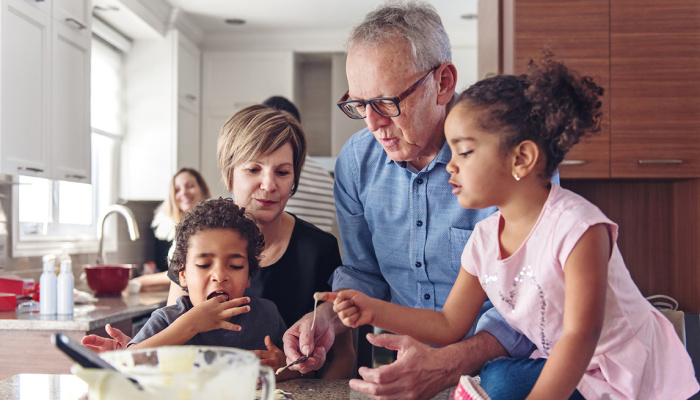
Seniors often use opioids for managing pain, which can present unexpected risk.
Older adults are more likely to be prescribed opioids than any other age group.

People at work
Opioid overdose can happen anywhere, any time – including on the job.
Equip workplaces, facilities,
and hospitality venues with NARCAN® Nasal Spray in case of an accidental opioid emergency.

Family and friends
You may not know if your family or friends are taking opioids.
Learn to recognize the symptoms of an opioid overdose above.

Someone who is prescribed opioids
Opioids are a critical part of medical treatment for various health conditions, but accidents can happen.
1 in 8 Canadians were prescribed opioids in 2023.

People with opioid use disorder
Dependence and potential misuse can increase the risk of overdose.
Almost 10% of Canadians over 15 years of age who take opioid pain medication have used them problematically.
Anyone taking an opioid can have an opioid poisoning.
ARE OPIOIDS IN YOUR HOME?
Medications have different brand and generic names, which can make it hard to tell if you have an opioid.
Use the search tool to check your medications:
| Generic Name | Brand names |
|---|
| Buprenorphine | Belbuca®, BuTrans®, Probuphine®, Sublocade®, Suboxone® |
| Butorphanol | Stadol® |
| Codeine | Acetaco®, Acetazone Forte®, Atasol®, Calmylin®, Cheracol®, CoActifed®, Damylin®, Empracet®, Exdol®, Fiorinal®, Linctus Codeine®, Mersyndol®, Methoxacet®, Methoxisal®, Neo Pectol®, Procet 30®, Robaxacet®, Spasmhalt-8®, Tamicode®, Triatec®, Tussaminic®, Tylenol® 1, 2, 3, 4 |
| Diamorphine (Diacetylmorphine) | Commonly known as heroin |
| Fentanyl | Abstral®, Duragesic®, Fentora®, Onsolis® |
| Hydrocodone | Caldomine®, Coristine-DH®, Dalmacol®, Dimetane®, Hycodan®, Hycomine®, Novahistex®, Novahistine®, ratio-Calmydone®, ratio-Coristex-DH®, Tussaminic®, Tussionex®, Vasofrinic® |
| Hydromorphone | Dilaudid®, Hydromorph®, Jurnista®, Palladone® |
| Meperidine | Demerol®, Pethidine® |
| Methadone | Methadose®, Metadol® |
| Morphine | Doloral®, Kadian®, Kynmobi®, M-Ediat®, M-Eslon®, M.O.S.®, Movapo®, MS Contin®, MS IR®, Oramorph®, Statex®, Zomorph® |
| Normethadone | Cophylac® |
| Opium | N/A |
| Oxycodone | Endocet®, Endodan®, Oxy.IR®, Oxycocet®, Oxycontin®, OxyNEO®, Percocet®, Percodan®, Rivacocet®, Supeudol®, Targin® |
| Oxymorphone | Numorphan® |
| Pentazocine | Talwin® |
| Tapentadol | Nucynta® |
| Tramadol | Durela®, Raliva®, Tramacet®, Tridural®, Ultram®, Zytram® |
Some products may not be marketed within Canada, may no longer be available, or the trade names may have changed. Registered trademarks are the property of their respective owner.